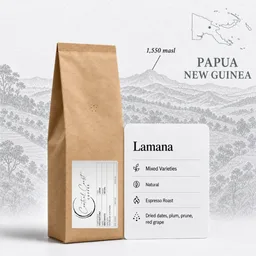
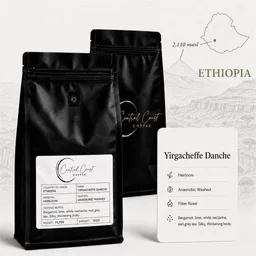
Yirgacheffe Gargari
From Central Coast Coffee in Somersby, NSW
Tasting notes
Papaya, mango, lemon peel, orange, tangerine, peach, pineapple, tropical, cane sugar, sweet, creamy, bold
- Origin
- Ethiopia · Gedeo, KochereProducer: Various smallholders
- Roast
- Light · For filter
- Process
- Anaerobic
- Caffeine
- Regular
- Varietals
- Heirloom
- Altitude
- 1950–2300 masl
What Central Coast Coffee say
“Heirloom” is a catch-all term for the countless wild or cultivated varieties found in Ethiopia, many of which are genetically unique. These coffees are renowned for their complexity, often showcasing vibrant florals, citrus, and stone fruits. Since they’re genetically diverse and often uncatalogued, each heirloom coffee is a unique experience.
The CM Natural process brings a modern twist to traditional natural processing by introducing carbonic maceration—a technique adapted from fine winemaking. Ripe whole cherries are placed in sealed, CO₂-rich tanks, creating an anaerobic environment that slows down fermentation and enhances the activity of specific yeasts and bacteria. This extended, controlled fermentation allows complex flavour precursors to develop within the fruit before it’s slowly dried as a whole cherry on raised beds.
The result is a fruit-forward, intensely aromatic coffee with layered complexity. Expect bold tropical and berry notes, silky texture, and a vibrant, wine-like profile. CM Natural coffees are known for their explosive character and lingering sweetness.
For our exotic coffee, we store all the green beans frozen at -22°C in commercial freezers. This locks in freshness, halting enzymatic reactions that degrade flavor. Upon arrival we separate into small 2-3kg vacuum-sealed lots and freeze so that our greens do not age and we can sell these exotic coffees for years to come or until sold out.
This is a more accurate reflection of the actual roast colour than external as it's measured after grinding. Internal Agtron reveals how far into the bean the roast has penetrated. Our filter roasts often score over 100, preserving acidity, florals, and the unique vibrant characteristics of each origin and process. Please bear in mind that grind coarseness can affect the internal colour readings, so it is impossible to compare from roaster to roaster using this colour reading.
The Agtron spread is the difference between the colour of whole beans and ground coffee, showing how deeply the coffee is developed. A spread of 0–10 usually indicates very dark, oily roasts typical of Italian-style, which we don't offer at our Roastery. Spreads between 11–20 and 21–30 represent the roast levels you'll find in our espresso coffees, balancing sweetness, acidity, and body. Spreads above 30 make up most of our filter coffee range, featuring very light, bright roasts that highlight fruity, floral, and complex flavours. Within this, spreads from 31–40 offer clarity and vibrancy, while spreads of 40–50 showcase ultra-light roasts with delicate acidity and nuanced character.
Ethiopia | Yirgacheffe Gargari | Heirloom CM Natural, Amber PR16 | Signature Series - When is peak flavour?
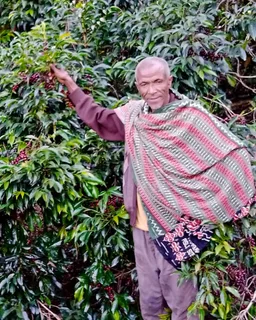
Coffees grow in small farmers backyards, known as “garden coffee”
Cherries are placed inside sealed tanks and filled with CO2 pushing oxygen out
Controlled yeast activity, temperature and humidity of tanks
Short anaerobic fermentation time at warm temperatures enhanced tropical fruit qualities
Cherries dried on drying beds in thick stacks to slow drying time and bring thick texture
Drying takes typically 25-30 days to reduce moisture content to 10-12%
Dried beans are then stored in the dried cherry pod for protection and to maximise fruit flavours until milling and export preparation where further hand sorting and colour sorting is conducted to improve overall quality
There are multiple reasons why we find Ethiopian naturals to be so pleasing, rounded and cohesive, but a major factor that plays to the advantage of the natural processing method is the weather. The weather across the Yirgacheffe Region is incredibly reliable and predictable. During the harvesting months, the air is dry, and the sun shines with little rainfall interference. The days are warm and the nights are cool, which means most beds do not require the use of a plastic cover for protection. When we consider these conditions and pair it with the vast array of wild genetic mutations of the coffee trees, it can become clear why we find the Ethiopian naturals to have such a balanced cup profile, reliably season after season.
While Ethiopia is famous as coffee’s birthplace, today it remains a specialty coffee industry darling for its incredible variety of flavours. While full traceability has been difficult in recent history, new regulations have made direct purchasing possible. We’re partnering directly with farmers to help them produce top quality specialty lots that are now completely traceable, adding value for farmers and roasters, alike.
Similar beans
 Ocholo Bedecho · FilterPassport Specialty Coffee Roaster$11.60 /100gEthiopiaStone fruitCitrus
 ArsosalaFeind Coffee$10.40 /100gEthiopiaStone fruitCitrus
 Yirgacheffe DancheMotobean Roasters$10.00 /100gEthiopiaStone fruitCitrus
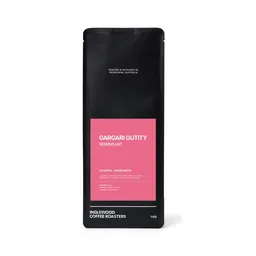 Gargari Gutity · FilterInglewood Coffee Roasters$9.80 /100gEthiopiaStone fruitCitrus
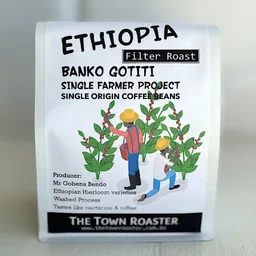 Banko GotitiThe Town Roaster$9.60 /100gEthiopiaStone fruitCitrus
Find Central Coast Coffee beans near me
Central Coast Coffee
Beans sold here by the roaster
Central Coast
Beans sold here by the roaster