Sidra Natural Anaerobic
From Central Coast Coffee in Somersby, NSW
Tasting notes
Raspberry Mandarin Floral
- Origin
- Ecuador · LojaProducer: Vinka Farm (Maria Fernanda and Carlos)
- Roast
- Light · For filter
- Process
- Anaerobic
- Caffeine
- Regular
- Varietals
- Sidra
- Altitude
- 1120-1160 masl
What Central Coast Coffee say
Taste one coffee, in multiple processing methods. View the whole Vinka Farm Collection & story here.
This is our first directly sourced coffee — grown, processed, and shipped by Maria and Carlos from Vinka Farm in Loja, Ecuador.
We’ve secured four distinct lots of their Sidra varietal, each processed differently: Natural Anaerobic, Natural Oxidation, Honey, and Lactic Honey. Same cherries, different methods — and six unique cup profiles that show just how much processing changes flavour.
Other Information
Growing Temperatures: 12-24°C
About Vinka Coffee
Vinka Coffee is grown by Maria Fernanda and Carlos, two university researchers turned passionate specialty coffee farmers. Their farm, nestled in the highlands of Loja, Ecuador, embodies a commitment to biodiversity, sustainability, and precision processing.
Each micro-lot is carefully hand-harvested at peak ripeness, with cherries measured at 25° Brix. These cherries undergo innovative processes—ranging from anaerobic natural fermentation to lactic fermentation—to unlock diverse flavour profiles.
About Sidra Varietal from Vinka
The Sidra varietal is a unique Ethiopian landrace, not a hybrid, making it a pure genetic descendant from Ethiopia's rich coffee heritage. Brought to Ecuador through a research initiative, it combines exceptional cup quality with the potential for high productivity.
Sidra has gained international recognition for its complex sensory profile, often described as floral and fruity, with hints of blueberry, lime, honey, and blackberries. It also features a distinct menthol note, rarely found in other coffees, which sets it apart and attracts specialty coffee buyers worldwide.
With its growing acclaim, Sidra is poised to become a flagship coffee variety, rivalling the reputation of Gesha, and positioning Ecuador as a producer of some of the world’s most exquisite coffees.
Coffee in Ecuador
Ecuador is quickly gaining recognition in the coffee world for its high-quality specialty coffee production. With a combination of diverse microclimates, fertile volcanic soil, and dedicated producers like Maria Fernanda and Carlos, Ecuador is redefining what coffee lovers can expect from South America.
Natural Anaerobic
Main Tasting Notes: Raspberry Mandarin Floral Flavour Profile: Jasmine, ripe peach, mango, clove, fruit liqueur, bright citrus acidity, very clean, silky body, floral grapefruit, and a honey caramel finish. Mouthfeel: Bright and vibrant, with pronounced citrus acidity and a silky body. Description: This coffee shines with brilliant acidity and complex fruity and floral notes. A favourite for those who enjoy vibrant and clean cups with a bright finish.
How is it processed? The cherries are placed in a hermetic PVC tank to ferment in a CO2-rich, oxygen-free (anaerobic) environment. This occurs in the solid phase, meaning the cherries remain intact. During this process, the fermentation is exogenous, as sugar breakdown happens outside the cherry peel. Fermentation continues until the pH reaches approximately 3.9. Afterwards, the cherries are dried on shaded, stacked beds until they reach a humidity level of 13%. Once dried, the cherries are stored until they are ready for export.
Similar beans
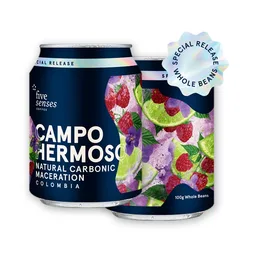 Campo HermosoFive Senses Coffee$20.00 /100gBerryCitrusLight roast
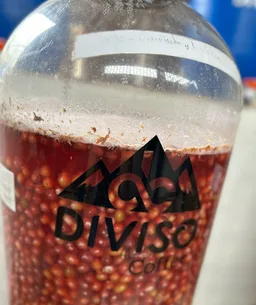 El DivisoPassport Specialty Coffee Roaster$12.40 /100gBerryCitrusLight roast
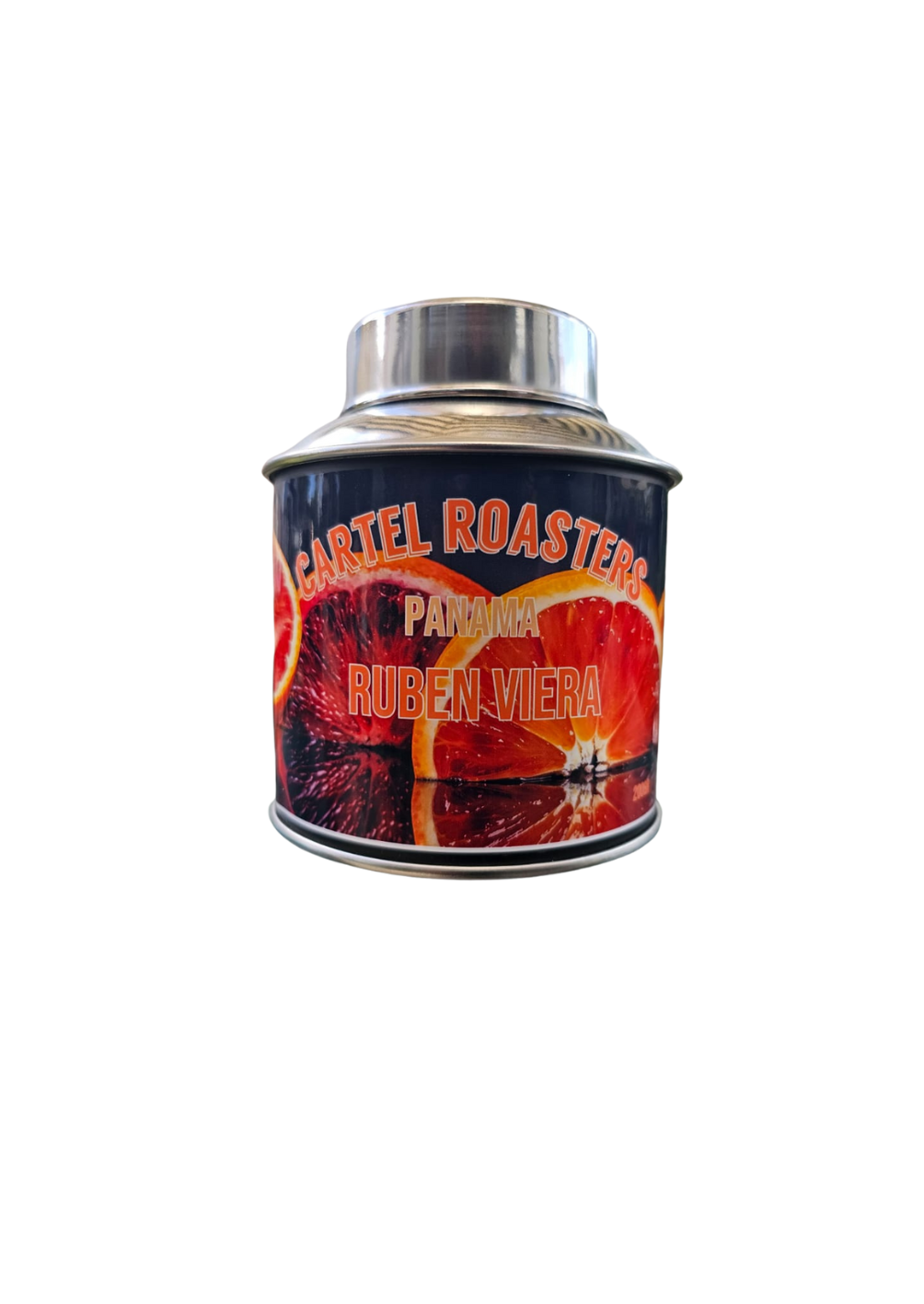 Ruben Viera Geisha Static Cherry NaturalCoffee Cartel$35.00 /100gBerryCitrusLight roast
 Geisha · EcuadorCoffee Hero$30.80 /100gEcuadorBerryCitrus
 Penas Blancas GeishaPassport Specialty Coffee Roaster$24.00 /100gBerryCitrusLight roast
Find Central Coast Coffee beans near me
Central Coast Coffee
Beans sold here by the roaster
Central Coast
Beans sold here by the roaster