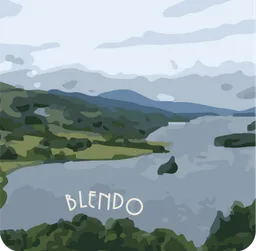
Chelchele
From core roasters in Brunswick East, VIC
Tasting notes
white peach, 7-up, sugarcane, raspberries, milk chocolate, toffee apple, honeysuckle
- Origin
- Ethiopia · Yirgacheffe, Kochere, ChelcheleProducer: Chelchele washing station
- Roast
- LightEstimated. The roaster does not state a roast level.
- Process
- Natural
- Caffeine
- Regular
- Varietals
- heirloom
- Altitude
- 1900-2400 masl
What core roasters say
Say hello to CHELCHELE, a naturally processed mix of heirloom varietals grown by various smallholder farmers at 1900 - 2400masl in Yirgacheffe, Ethiopia.
Expect to taste: white peach, 7-up, sugarcane, raspberries, milk chocolate, toffee apple, honeysuckle
TL;DR: From nearly a thousand farmers, this coffee offers all of the sweet, floraly goodness we all desire from coffee in Ethiopia. There’s not much else to say really, it’s just freakin’ delicious.
This coffee comes from the Chelchele washing station, which is in the kebele, or village, of Chelchele, in the words, or district, of Kochere, in the Yirgacheffe region.
Chelchele coffees tend to have a nice backbone of sweetness from toffee and/or soft nuts like almond, with a floral and citrus overtone.Coffees in Ethiopia are typically grown on very small plots of land by farmers who also grow other crops. The majority of smallholders will deliver their coffee in cherry to a nearby washing station or central processing unit, where their coffee will be sorted, weighed, and paid for or given a receipt.
Coffee is then processed, usually washed or natural, by the washing station and dried on raised beds.The washing stations serve as many as several hundred to sometimes a thousand or more producers, who deliver cherry throughout the harvest season: The blending of these cherries into day lots makes it virtually impossible under normal circumstances to know precisely whose coffee winds up in which bags on what day, making traceability to the producer difficult.
We do, however, make every available effort to source coffee from the same washing stations every year, through our export partners and their connections with mills and washing stations.
Typically farmers in this region don't have access to and therefore do not utilize fertilizers or pesticides in the production of coffee.
When we got to roasting this coffee we really wanted to highlight the stunning floral and citrus character that makes us fall for coffees like this year after year, so we kept things nice and light. A short and punchy roast, reduced “development time” but still plenty of heat to make sure you get loads of flavour in your cup.
Similar beans
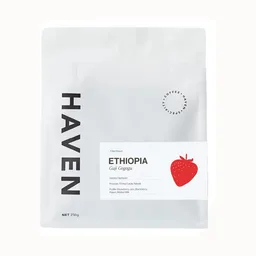 Guji GogoguHaven Coffee$12.00 /100gEthiopiaCaramel & sweetStone fruit
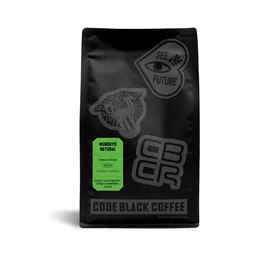 Mundayo · FilterCode Black Coffee$11.60 /100gEthiopiaChocolateCaramel & sweet
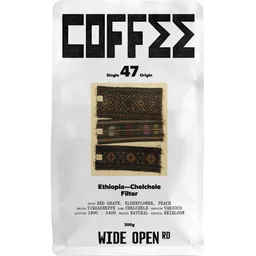 ChelcheleWide Open Road Coffee Roasters$11.50 /100gEthiopiaStone fruitBerry
 Bogale GalchaKindred Coffee$11.40 /100gEthiopiaOrchard fruitBerry
 Yirgacheffe - Mr Mengeche DersoSilva Coffee Roasters$11.20 /100gEthiopiaCaramel & sweetStone fruit