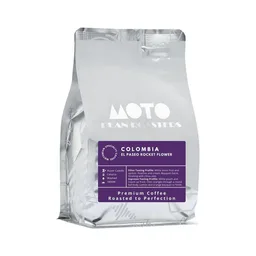
Typica Nogales
From Motobean Roasters in Ravenhall, VIC
Tasting notes
Stewed Fruits, Brown Sugar, Clean Finish
- Origin
- Colombia · Pitalito, HuilaProducer: Finca Nogales, Hernández Family
- Roast
- Medium light · Espresso or filter
- Process
- Experimental
- Caffeine
- Regular
- Varietals
- Typica
- Altitude
- 1750-1850 masl
What Motobean Roasters say
A vibrant, fruit‑forward co‑ferment : a naturally low caffeine coffee crafted for drinkers who want full flavour without the full buzz. This Typica lot from Finca Nogales in Colombia delivers a clean, expressive and aromatic profile thanks to its innovative co‑ferment processing. Roasted in Melbourne, this coffee offers the complexity of a premium experimental lot with a naturally lower caffeine content, making it ideal for afternoon brews or sensitive drinkers who still want a specialty experience.
Low‑Caffeine Coffee – Tasting Profile
Forget everything you know about low-caffeine coffee. The true magic of this lot is that it simply doesn't taste like a decaf. It is currently one of our staff's top 3 favourite coffees due to its exceptional clarity:
Palate: Rich, comforting notes of Stewed Fruits.
Sweetness: A deep, caramelised Brown Sugar base.
Finish: A pleasant, remarkably Clean Finish.
Character: Exceptional flavour density. We challenge you to find the difference between this and your preferred full-caf single origin.
The co‑ferment process amplifies fruit intensity while maintaining clarity and balance.
What Makes This Coffee Low‑Caffeine?
The Typica varietal naturally contains less caffeine than many modern hybrids. Combined with careful harvesting and controlled fermentation, this lot delivers:
- lower caffeine content
- reduced bitterness
- enhanced sweetness
- a smoother, more delicate cup
Perfect for drinkers who want flavour without overstimulation.
Co‑Ferment Processing – Precision & Innovation
This lot undergoes a carefully controlled co‑fermentation, where selected fruit compounds are introduced to enhance aromatics and complexity. The result is a cup that is:
- more expressive
- more aromatic
- more fruit‑forward
- more structured
without compromising cleanliness or quality. Oscar Fernando honours his family’s visionary legacy—including a First Place win in the 2005 Cup of Excellence—through a meticulous process that focuses on flavour preservation:
Natural Caffeine Extraction: Ripe Typica cherries are immersed in hot water to open the pores. A natural solvent derived from coffee pulp is then introduced. This process is repeated three times, removing approximately 95% of the caffeine while preserving the inherent flavour compounds and cellular structure of the bean.
96-Hour Sourdough Fermentation: The truly unique step involves a 4-day fermentation using a specialised sourdough starter. This starter culture, maintained at a controlled 18°C, dramatically enhances the coffee’s complexity, introducing vibrant, candy-like notes rarely found in low-caf offerings.
Stable Drying: The process concludes with an 8-day controlled drying period to ensure perfect moisture stability and flavour integration.
Single Origin Detail: Colombia Typica Nogales
Origin: Colombia
Region: Pitalito, Huila
Farm: Finca Nogales
Farmer: The Hernández Family
Varietal: Typica
Altitude: 1750–1850 MASL
Processing Method: Washed + Sourdough Co-Ferment (Low-Caffeine)
Roast Level: Medium-Light (Omni-Roast)
This specialty fermented coffee is roasted as an Omni-Roast, making it suitable for both a relaxing evening filter or a sophisticated espresso:
Espresso
Dose: 20g
Yield: 40ml (1:2 ratio)
Time: 28 seconds
Filter (V60 / Batch Brew)
Dose: 15g
Yield: 250ml
Time: 2:45–3:00 minutes
Why This Low Caffeine Coffee Stands Out
This release is a rare combination of:
- low‑caffeine drinkability
- co‑ferment complexity
- single varietal Typica purity
- Colombian high‑altitude clarity
It’s a specialty coffee designed for flavour seekers who want something expressive, modern and gentle on the system.
Similar beans
 Watermelon co-fermentCubbyhouse Coffee$15.00 /100gColombiaCaramel & sweetMedium light roast
 Jairo ArcilaFull Spectrum$16.00 /100gColombiaCaramel & sweetExperimental
 Patio Bonito Aji Bourbon Thermal Shock Anaerobic Washed · EspressoPassport Specialty Coffee Roaster$14.40 /100gColombiaCaramel & sweetExperimental
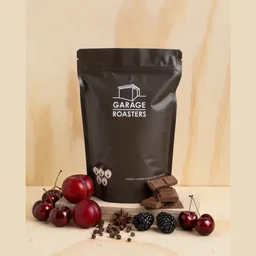 Cherry Madness Colombia Campo HermosoGarage Roasters$14.00 /100gColombiaCaramel & sweetExperimental
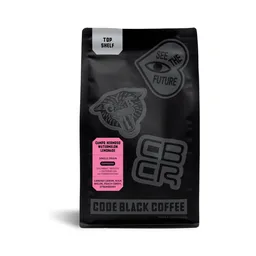 Campo Hermoso Watermelon Lemonade Coferment · EspressoCode Black Coffee$18.20 /100gColombiaCaramel & sweetExperimental
Find Motobean Roasters beans near me
Motobean Coffee Roasters
Roastery, not open to the public