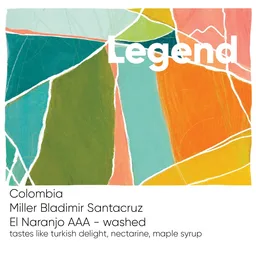
Mbokam AA
From Legend Coffee and Culture in West Gosford, NSW
Tasting notes
blackcurrant, nectarine, molasses
- Origin
- Kenya · Embu, Central KenyaProducer: Arthur & Josephine Mbogo
- Roast
- The roaster does not state the roast level.
- Process
- Washed
- Caffeine
- Regular
- Varietals
- SL28
- Altitude
- 1700 masl
What Legend Coffee and Culture say
Tastes Like: blackcurrant, nectarine, molasses
Mbokam is a 2.5 hectare coffee farm and wet mill (or factory, as they are known in Kenya), owned by Arthur and Josephine Mbogo, located in Embu County. The estate is lush and healthy, thanks to the couple’s commitment to following sustainable agricultural practices, with plenty of food crops and cattle raised alongside coffee. This considerate approach to farming is led by Josephine, and it contributes to the estate’s rich biodiversity, supports a balanced ecosystem, enriches the soil, and provides the couple with a diverse and secure source of food and income.
Mbokam was first established in the early 1950s by Arthur’s father, Mr. Gerishon Mbogo. He received the original parcel of land from elders of the Embu community and he named it by combining his family name, Mbogo (which translates to ‘buffalo’), with the name of the stream that flows through the farm, Kamavindi. In 1958, the estate was planted with its first 100 trees, a limitation set on Kenyan farmers by the ruling British colonialists. Following Kenya’s independence in December 1963 and the abolishment of these regulations, Gerishon was able to expand his plantation. For years, he sold his coffee cherries to the local Kibugu Farmers Cooperative Society; until in 1996, when his volumes had increased enough, he built a small factory onsite.
Today, Josephine and Arthur tend to some 6,500 SL28 trees. Because Arthur works as a public servant, Josephine is in charge of running Mbokam — a job she excels at, given how productive the farm is. Along with coffee, Josephine has planted avocado, corn, banana, pumpkin and macadamia, as well as native trees. Everything planted has a purpose, from generating extra income and food for sustenance, to helping prevent erosion and promoting shade.
Additionally, no chemical fertilisers are used at Mbokam; instead, the couple use manure from their cows to compost their own feeding inputs. In fact, on our 2026 visit, as we arrived Arthur rushed us to meet his cows, before we’d even had the chance to look at the coffee plantation. “These animals are very important,” he explained. “They provide us with milk to drink and fertiliser for our trees.” To help with this, their homestead is fitted with a ‘biodigester,’ which takes household and agricultural waste and transforms it into biogas and organic fertiliser. This fuel can replace traditional energy sources like charcoal and firewood, reducing greenhouse gas emissions and making household air cleaner and safer.
In the near future, the couple hope to acquire more land to increase their production. Because they process their own coffee, Arthur and Josephine are eager to continue perfecting their practices to improve the quality of the final cup. Choosing to process their coffee independently is not easy — or cheap. Managing processing on such a small scale has required significant investment in infrastructure, equipment and staff. It is also far costlier to mill and market small volume lots than large day lots. Yet, the effort is worth it because as Arthur told us when we were at Mbokam, “we promise to produce coffee of the highest quality and hope it will make your customers happy!”
Following the Kenyan government’s 2023 reforms, our friends Melbourne Coffee Merchants are able to source coffee from Mbokam directly, with the help of a Direct Sales Agent. The benefits of the direct model are higher profits, as the buyer (in this case, MCM) must offer competitive pricing to secure the coffee, and a faster turnaround time between the sale and the grower receiving their payments. Direct sales also support a more meaningful and values-led relationship between the growers and their buyers and have become more widespread as the coffee sector adapts to the reforms.
Similar beans
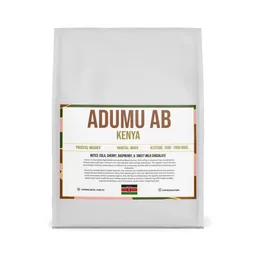 Adumu ABCoffee Cartel$10.80 /100gKenyaCaramel & sweetStone fruit
 KarimikuiAcoffee$12.00 /100gKenyaCaramel & sweetStone fruit
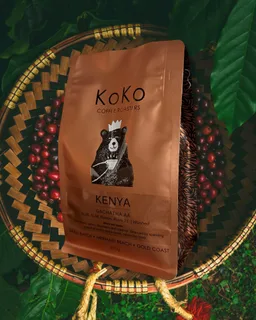 Gachatha AAKoKo Coffee Roasters$10.40 /100gKenyaCaramel & sweetStone fruit
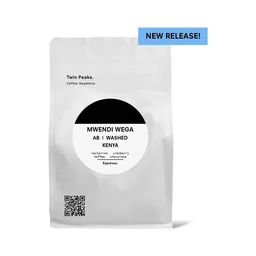 Mwendi WegaTwin Peaks Coffee Roasters$10.40 /100gKenyaCaramel & sweetStone fruit
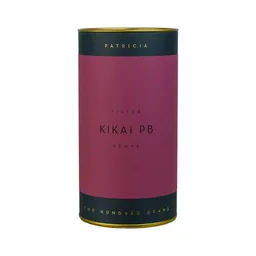 Kikai PBPatricia Coffee Brewers$12.50 /100gKenyaCaramel & sweetStone fruit
Find Legend Coffee and Culture beans near me
Legend Coffee And Culture
Beans roasted and sold here