Kay Farm
From Central Coast Coffee in Somersby, NSW
Tasting notes
Mandarin, silky Zokoko chocolate, lovely balance
- Origin
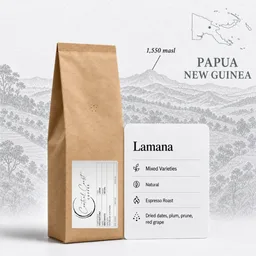
- Papua New Guinea · JiwakaProducer: Anis Kay
- Roast
- Medium · For espresso
- Process
- Washed
- Caffeine
- Regular
- Varietals
- Typica, Arusha, Bourbon
- Altitude
- 1600–1800 masl
What Central Coast Coffee say
About the producer
Anis Kay, Jiwaka PNG Anis Kay has worked in the coffee industry since the mid 1980’s. He first began working on plantations as a young man straight out of school. He then worked with a single coffee exporter in factories and in office operations until starting up his own mill in the early 2000’s.
Anis’s farm is in the mountainous Jiwaka region, an area with good volcanic soils, good rainfall and an average temperature of 16º to 24ºC. Most of the coffee grown by Anis is under shade, the slow ripening and maturing adding to the amazing flavour of his coffee. Anis is extremely methodical in his process and has been producing a good consistent quality over these past few years. His coffee is processed at the Minji Wet Mill and then graded and packed for export by our Volcafe sister company in Goroka.
About Typica, Arusha, Bourbon
Typica is one of the oldest and most historically important Arabica coffee varieties. Its journey can be traced from Ethiopia through Yemen, India and Indonesia before it spread throughout the Americas during the 18th century. Many of today’s recognised coffee varieties descend from the wider Typica family, making it one of the foundational varieties of modern specialty coffee.
In the cup, Typica is prized for its clean, refined and elegant character. Depending on where it is grown and how it is processed, it may offer delicate florals, citrus, soft fruit, caramel-like sweetness and a smooth, balanced finish. The plants produce relatively small harvests and are vulnerable to disease, but their potential for exceptional cup quality keeps Typica highly valued by producers and coffee drinkers alike.
Arusha is a rare and intriguing Arabica variety most commonly associated with the slopes of Mount Meru in Tanzania and the highlands of Papua New Guinea. Its exact genetic origins remain uncertain, although it is often considered closely related to Typica or the old French Mission coffee varieties introduced throughout East Africa.
Arusha coffees are often admired for their clarity, natural sweetness and expressive flavour. Depending on the growing conditions and processing method, the cup may show floral aromas, bright citrus, stone fruit, berries or deeper dried-fruit sweetness. Its relative rarity and distinctive regional expressions make Arusha an exciting variety for anyone interested in exploring coffees beyond the more commonly grown cultivars.
Bourbon is one of the most celebrated Arabica coffee varieties and an important ancestor of many coffees grown today. It was carried from Yemen to the island of Bourbon, now known as La Réunion, by French missionaries in the early 1700s. From there, it eventually spread across Africa and the Americas, becoming particularly important throughout Latin America.
Bourbon is renowned for producing beautifully sweet, rounded and complex coffees. Its flavour can range from caramel, chocolate and brown sugar to ripe stone fruit, berries and gentle citrus, usually supported by a smooth body and balanced acidity. Like Typica, Bourbon plants are relatively low yielding and susceptible to major coffee diseases, but their outstanding cup potential has made them an enduring favourite among specialty coffee producers.
Coffee in PNG
Coffee production in Papua New Guinea (PNG) plays a vital role in the country’s economy and the livelihoods of thousands of smallholder farmers. Around 85–95% of the coffee is grown by small-scale producers, often on plots of land less than a hectare in size. The majority of PNG's coffee is of the Arabica variety, grown in the cool highlands at elevations between 1,200 and 2,000 metres, particularly in provinces like Eastern Highlands, Western Highlands, and Simbu. The fertile volcanic soil, high altitude, and distinct microclimates create ideal conditions for producing high-quality coffee with unique flavour profiles.
Despite its potential, the coffee industry in PNG faces several challenges, including poor infrastructure, limited access to agricultural support, and logistical difficulties in transporting coffee from remote farms to processing and export points. However, many initiatives—both local and international—have sought to improve quality and sustainability by investing in training, cooperative development, and better processing equipment. Coffees from PNG are often washed (wet processed) and are known for their bright acidity, floral and fruity notes, and tea-like body—qualities that have earned them a growing reputation in the specialty coffee market.
Similar beans
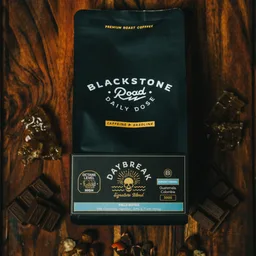 DaybreakBlackstone Road$5.90 /100gPapua New GuineaChocolateCitrus
 Tree Hugger Organic BlendDouble Roasters Coffee$7.60 /100gPapua New GuineaChocolateCitrus
 St Kilda Rd BlendStrada Coffee Roasters$7.60 /100gPapua New GuineaChocolateCitrus
 Hustle & BustleCoffex Coffee Roasters$6.30 /100gPapua New GuineaChocolateCitrus
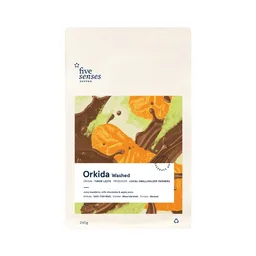 OrkidaFive Senses Coffee$7.60 /100gChocolateCitrusMedium roast
Find Central Coast Coffee beans near me
Central Coast Coffee
Beans sold here by the roaster
Central Coast
Beans sold here by the roaster