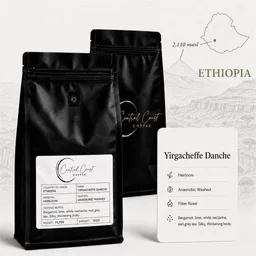
Kiamugumo
From Central Coast Coffee in Somersby, NSW
Tasting notes
Jammy cherry, toffee, chocolate, and fresh berry flavours with juicy acidity and syrupy sweetness
- Origin
- Kenya · Kirinyaga, GichuguProducer: New Ngariama Farmers Cooperative Society
- Roast
- Light · For filter
- Process
- Washed
- Caffeine
- Regular
- Varietals
- Batian, SL28, SL34, Ruiru 11
- Altitude
- 1550 masl
What Central Coast Coffee say
The Batian varietal, developed in Kenya for its resistance to coffee leaf rust and high cup quality, is typically processed using the traditional washed method. In this approach, ripe cherries are handpicked, pulped, and fermented in water for 12–48 hours to break down the mucilage. The beans are then washed and dried slowly on raised beds to ensure even drying and preserve clarity in the cup. This process highlights Batian’s signature profile—bright acidity, tea-like florals, and red fruit notes such as strawberry and citrus, often with a clean, juicy finish.
In more experimental contexts, Batian is also processed using natural or anaerobic variations. One such method involves low-oxygen fermentation of whole cherries, followed by extended drying on raised beds over 15–20 days. This controlled fermentation boosts sweetness and complexity, yielding cups with richer fruit expression—think plum, jammy strawberry, and fig—with a silky body and vibrant acidity. Whether washed or natural, Batian’s processing is carefully tailored to emphasize its unique balance of structure, sweetness, and lively flavor.
Developed by Scott Agricultural Laboratories in Kenya, SL28 is known for its excellent drought resistance and stunning cup quality. It exhibits bright, winey acidity with notes of blackcurrant and citrus. SL28 is one of the reasons Kenyan coffees are so revered. However, it’s highly susceptible to leaf rust and pests.
Also from Kenya’s Scott Labs, SL34 shares a similar profile to SL28 but performs better in wetter climates. It offers a rich body and acidity, with bold fruit notes and complexity. SL34 is commonly interplanted with SL28 to hedge against environmental extremes.
Ruiru 11, a Kenyan hybrid varietal prized for its disease resistance and high yield, is most commonly processed using the traditional washed (wet) method. After selective handpicking, the cherries are pulped and fermented for 12–24 hours in tanks to break down the mucilage. The beans are then washed with clean water and dried on raised beds under the sun. This meticulous process produces a clean, vibrant cup profile that showcases the classic Kenyan characteristics: bright citrus acidity, blackcurrant and berry notes, and a tea-like finish.
In some cases, producers experiment with natural or anaerobic methods to diversify the flavor profile of Ruiru 11. Natural processing involves drying whole cherries in the sun, concentrating sugars and intensifying fruit-forward notes like dried berries, tropical fruit, and red grape. Anaerobic variations introduce sealed, oxygen-restricted fermentation to develop deeper complexity and a creamier mouthfeel. Regardless of the method, Ruiru 11’s adaptability allows it to express both clarity and richness, making it a versatile varietal in both traditional and modern processing styles.
In the washed process, coffee cherries are depulped to remove the skin and pulp, then fermented to eliminate the mucilage before thorough washing. This method produces a clean, bright cup with pronounced acidity and clarity, highlighting the coffee’s intrinsic flavors. It’s widely used in regions with ample water resources, such as Colombia and East Africa.
The ROEST P3000 is a compact powerhouse that redefines what’s possible in small-batch production roasting. With the ability to roast 1–3 kg batches in under 7 minutes and crank out over 25 kg per hour, it delivers serious output without demanding a full-time operator. Automation handles everything from preheating to cooldown, with between-batch protocols ensuring consistent conditions roast after roast. Its slim footprint and lightweight build make it perfect for roasteries where space is tight but precision and efficiency are non-negotiable.
What truly sets the P3000 apart is its unmatched control and data richness. It features more than 18 sensors—bean, exhaust, drum, humidity, pressure, and even a first-crack microphone—paired with PID-controlled airflow, drum speed, and temperature. A built-in bean camera offers live visual feedback, eliminating the need for a trier and paving the way for future AI enhancements. Whether you’re dialing in new coffees or replicating profiles at scale, the P3000 brings the lab-level accuracy of the ROEST sample roaster into full production—effortlessly and repeatably.
Kenya | Kiamugumo | Batian, SL28, SL34, Ruiru 11 Washed AA - When is peak flavour?
Kiamugumo AA is a washed Kenyan microlot from Kirinyaga, one of Kenya’s most famous coffee-growing regions. This lot comes from smallholder farmer members of the New Ngariama Farmers Cooperative Society, who deliver ripe cherry to Kiamugumo Factory for sorting and processing.
In the cup, this is everything we love about great Kenyan coffee. It is juicy, sweet and vibrant, with jammy cherry, fresh berry, toffee and chocolate notes. The acidity is lively but balanced, finishing with a syrupy sweetness that makes it especially good as a clean, fruit-forward filter coffee.
Similar beans
 Kamwangi AANine Yards Coffee$9.60 /100gKenyaChocolateCaramel & sweet
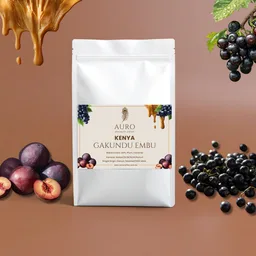 Gakundu EmbuAuro Speciality Coffee$10.00 /100gKenyaCaramel & sweetStone fruit
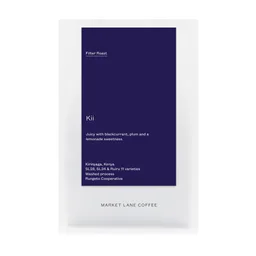 KiiMarket Lane Coffee$10.20 /100gKenyaStone fruitBerry
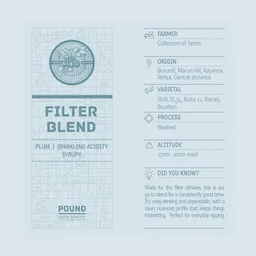 Filter BlendPound Coffee Roastery$7.20 /100gKenyaCaramel & sweetStone fruit
 KiangaiBarth Lane Coffee Roasters$11.20 /100gKenyaChocolateCaramel & sweet
Find Central Coast Coffee beans near me
Central Coast Coffee
Beans sold here by the roaster
Central Coast
Beans sold here by the roaster