La Virgen
DecafFrom Central Coast Coffee in Somersby, NSW
Tasting notes
Sweet, clean, balanced, chocolatey, nutty, toffee, cocoa
- Origin
- Colombia · Huila, GuadalupeProducer: La Virgen collective
- Roast
- Medium darkEstimated. The roaster does not state a roast level.
- Process
- Washed
- Caffeine
- Decaffeinated · CO2
- Varietals
- Castillo, Caturra
- Altitude
- 1400-2000 masl
- Certifications
- Rainforest Alliance
What Central Coast Coffee say
Heads up: this coffee is decaffeinated — perfect if you love the taste of coffee without the caffeine buzz. We take extra care when roasting our decafs to keep them sweet, balanced and full of flavour so you won’t miss a thing.
This coffee’s roasted in our espresso style — but that doesn’t mean you need to brew it as espresso. You can make it however you like — espresso, filter, moka pot, AeroPress or whatever you enjoy. We roast it a touch darker than we would a filter roast to caramelise the sugars and bring out smooth chocolatey and nutty flavours that cut beautifully through milk.
When you add milk the natural sweetness, fat and proteins tend to soften acidity and highlight caramelised flavours. That’s why lighter filter roasts can sometimes taste a bit sharp or sour with milk — they’re simply not built for it. Espresso roasts being more developed balance this out. The deeper caramelisation creates toffee and cocoa notes that blend harmoniously with milk’s creaminess while a hint of gentle bitterness adds that satisfying ‘coffee punch’ in your flat white or cappuccino.
If you prefer your coffee black this roast will still give you a full-bodied rich cup with plenty of depth and sweetness. For a lighter fruitier experience you might enjoy exploring our filter range instead.
Castillo is a Colombian-developed hybrid, designed for rust resistance and high yield. It includes genetics from Caturra and Timor Hybrid. While early versions were criticized for mediocre cup quality, modern strains can be quite good, with fruit-forward and balanced flavors, especially when grown at high altitudes.
Caturra is a dwarf mutation of Bourbon discovered in Brazil in the early 20th century. Its compact size allows for higher planting density and easier harvesting, making it a farmer-friendly choice. It retains much of Bourbon’s flavor characteristics but can be slightly less complex. It is commonly grown in Colombia and Central America.
Colombia | La Virgen | Caturra / Castillo Washed | Natural Carbonic Decaf - When is peak flavour?
CR3-Kaffeeveredelung M. Hermsen - CO2 Subcritical Decaffeination
This unique process was developed by CR3 in the late 80s. It uses natural carbon dioxide, under subcritical conditions (i. e. relatively low temperature and pressure), to gently and selectively target caffeine, so as to retain the full taste potential of the green coffee. This process is all organic certified.
Raw, unroasted coffee is moistened and placed in a vessel with pressurised liquid carbon dioxide, which circulates through the coffee to extract caffeine. Once the desired caffeine level is achieved, the CO2 circulation stops, and the coffee is gently dried to its original moisture content. The caffeine is extracted from the liquid carbon dioxide, allowing both components to be reused.
Coffee growers in Guadalupe are very traditional coffee growers. They work with their families and their communities to grow and produce coffee how they’ve learned through their lives from their parents and grandparents. Additionally, coffee growers in this region are very committed to the environment, some of them having achieved the Rainforest Certification. Each farm has their own wet mill and drying infrastructure or at least one per family in which they all share their spaces. They own farms with an average of 5 hectares. In the last few years, we’ve noticed an interest in improving their quality, changing some varieties and processes with the objective of achieving better quality for their coffee.
In Guadalupe, Caravela works with many aging producers. However, many of the sons and daughters of these producers are stepping up to support and continue with the family traditions with greater energy, innovation and care for the environment.
The coffee chosen by James Hoffmann in collaboration with Caravela is produced in La Virgen Guadalupe, in the department of Huila in Colombia, by a collective of independent producers.
Guadalupe is a small municipality in Huila, nestled along the skirts of the Eastern Cordillera of Colombia. Guadalupe is blessed with an abundance of water sources, including the Suaza River, which nourishes the fertile lands and sustains both the community and its agricultural bounty. The region’s water supply, combined with fresh, cool weather, creates ideal conditions for growing high-quality crops. Today, the hardworking people of Guadalupe make their living through cattle farming, river fishing, and cultivating crops like corn, beans, citrus fruits, and, most notably, coffee – one of the area’s most valuable resources.
Colombia is one of the world’s most iconic coffee-producing countries, known for its mountainous landscapes, rich soils and deep coffee-growing culture. Across the country, small producers grow coffee in diverse microclimates, creating cups that range from bright and fruit-driven to chocolatey, nutty and comforting.
This lot sits firmly in the classic Colombian style, sweet, clean, balanced and familiar, with the kind of profile that feels like home for many Colombian coffee drinkers.
Similar beans
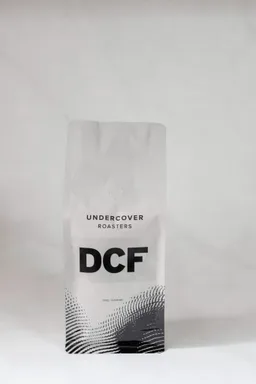 DCF, Colombia ExcelsoUndercover Roasters$10.80 /100gColombiaChocolateCaramel & sweet
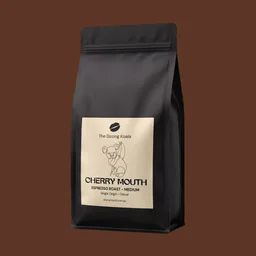 Dozing KoalaCherry Mouth Roasters$8.80 /100gColombiaChocolateCaramel & sweet
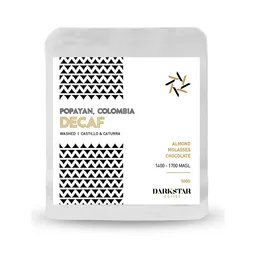 Popayan, Colombia DecafDarkstar Coffee$6.80 /100gColombiaChocolateCaramel & sweet
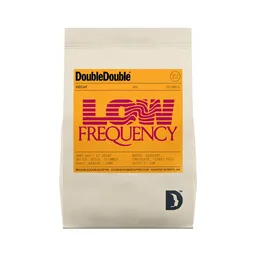 Low FrequencyDoubleDouble Coffee$10.00 /100gColombiaChocolateCaramel & sweet
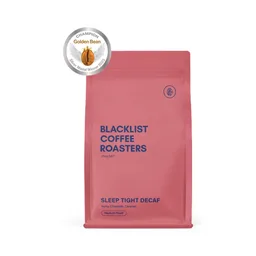 Sleep TightBlacklist Coffee Roasters$7.60 /100gColombiaChocolateCaramel & sweet
Find Central Coast Coffee beans near me
Central Coast Coffee
Beans sold here by the roaster
Central Coast
Beans sold here by the roaster