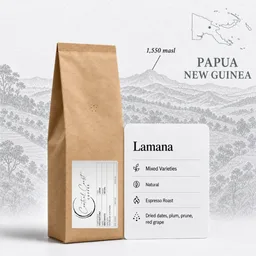
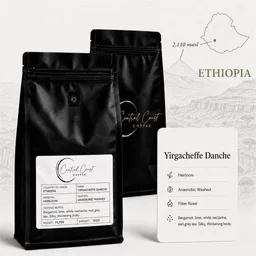
Las Flores Chiroso
From Central Coast Coffee in Somersby, NSW
Tasting notes
Intense Flavours, Cherry, Red Apple, Chamomile, Full body, Red Wine, Pineapple acidity, salted caramel, dark chocolate
- Origin
- Colombia · Huila, AcevedoProducer: Las Flores / Jhoan Vergara
- Roast
- Light · For filter
- Process
- Natural
- Caffeine
- Regular
- Varietals
- Chiroso
- Altitude
- 1730-1750 masl
What Central Coast Coffee say
Colombia | Las Flores | Chiroso Natural | Signature Series
Chiroso, a rare varietal originating from Urrao in Antioquia, Colombia, is most commonly processed using a carefully controlled washed method. After selective handpicking, the cherries are floated to remove underripes, then either pulped immediately or allowed a short aerobic fermentation in-cherry. Following pulping, the beans undergo a wet fermentation—often lasting 24 to 48 hours—to break down the mucilage. Once fermented, the coffee is washed and dried on raised beds over 10–16 days. This method brings out Chiroso’s elegant clarity and complexity, highlighting bright citrus acidity, floral aromatics, and notes of peach, panela, and rosehip.
Some producers are now exploring experimental techniques with Chiroso, including anaerobic and natural processing. These methods involve sealing whole cherries in oxygen-restricted environments for extended fermentation, followed by slow drying. The result is a more fruit-forward, tropical cup with added depth, boozy sweetness, and a creamy body—showcasing Chiroso’s versatility and its close ties to Ethiopian landrace genetics. Whether washed or experimental, Chiroso consistently delivers a standout sensory experience.
The natural process involves drying whole coffee cherries under the sun, allowing the beans to absorb flavors from the fruit as they dry. This results in a coffee with a heavy body, fruity sweetness, and complex flavors. It’s commonly practiced in Ethiopia and Brazil, where the climate is conducive to sun-drying.
Coffee cultivation relies on diverse soil types that shape plant health, growth, and flavor profiles. Volcanic soils (Andosols) are prized for their sandy, loose texture, enabling deep root penetration and rapid growth, while rich minerals like phosphorus and potassium enhance water retention and reduce erosion. This leads to vibrant, complex cups with clean acidity, as in Ethiopian or Guatemalan coffees. Volcanic ash offers superior drainage and nutrients for bright, nuanced flavors, and black/basaltic soils, seen in Kona, Hawaii, yield fertile, mineral-rich grounds for balanced, floral notes.
Other soils provide unique advantages, often blended for optimal results. Clay retains moisture well, supporting hydration in dry areas and earthy flavors when drained to avoid root issues. Loamy soils balance sand, silt, and clay for excellent fertility and drainage, fostering healthy roots and smooth, sweet cups—commonly paired with volcanic ash, as in "Soil Characteristics: Volcanic Ash, Clay Loam." Sandy soils drain quickly but need extra nutrients to prevent drought, producing lighter, crisp coffees.
Laterite, iron-rich tropical soils, require management for their nutrient gaps but yield bold, spicy profiles. By selecting or combining these—from mineral-packed volcanic types to versatile loamy blends—growers minimize erosion, boost plant vigor, and craft distinctive terroir-driven flavors.
For our exotic coffee, we store all the green beans frozen at -22°C in commercial freezers. This locks in freshness, halting enzymatic reactions that degrade flavor. Upon arrival we separate into small 2-3kg vacuum-sealed lots and freeze so that our greens do not age and we can sell these exotic coffees for years to come or until sold out.
This is a more accurate reflection of the actual roast colour than external as it's measured after grinding. Internal Agtron reveals how far into the bean the roast has penetrated. Our filter roasts often score over 100, preserving acidity, florals, and the unique vibrant characteristics of each origin and process. Please bear in mind that grind coarseness can affect the internal colour readings, so it is impossible to compare from roaster to roaster using this colour reading.
The Agtron spread is the difference between the colour of whole beans and ground coffee, showing how deeply the coffee is developed. A spread of 0–10 usually indicates very dark, oily roasts typical of Italian-style, which we don't offer at our Roastery. Spreads between 11–20 and 21–30 represent the roast levels you'll find in our espresso coffees, balancing sweetness, acidity, and body. Spreads above 30 make up most of our filter coffee range, featuring very light, bright roasts that highlight fruity, floral, and complex flavours. Within this, spreads from 31–40 offer clarity and vibrancy, while spreads of 40–50 showcase ultra-light roasts with delicate acidity and nuanced character.
Similar beans
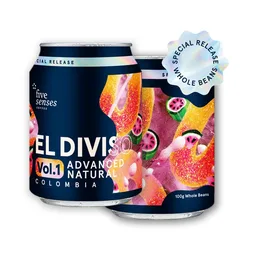 El Diviso Vol 1Five Senses Coffee$20.00 /100gColombiaCaramel & sweetStone fruit
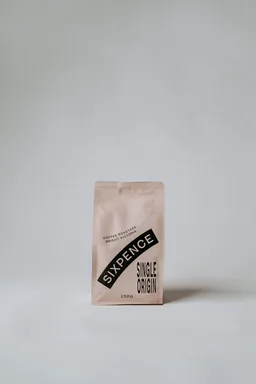 Java - Jairo ArcilaSixpence Coffee$16.50 /100gColombiaChocolateStone fruit
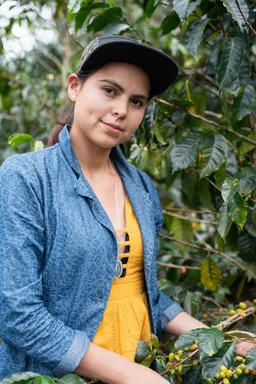 Alta Gracia Geisha Natural · FilterPassport Specialty Coffee Roaster$14.00 /100gColombiaCaramel & sweetTropical
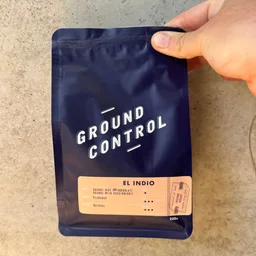 El IndioGround Control Coffee$9.00 /100gColombiaChocolateStone fruit
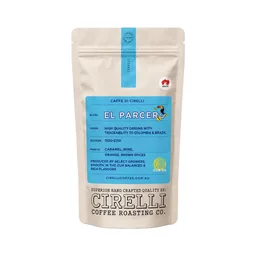 El ParceroCirelli Coffee$9.80 /100gColombiaChocolateCaramel & sweet
Find Central Coast Coffee beans near me
Central Coast Coffee
Beans sold here by the roaster
Central Coast
Beans sold here by the roaster