Santa Monica
From Central Coast Coffee in Somersby, NSW
Tasting notes
Watermelon, mint, lime and chocolate
- Origin
- Colombia · Quindío, ArmeniaProducer: Jairo Arcila
- Roast
- Light · For filter
- Process
- Washed
- Caffeine
- Regular
- Varietals
- Castillo
- Altitude
- 1450–1500 masl
What Central Coast Coffee say
Castillo is a Colombian-developed hybrid, designed for rust resistance and high yield. It includes genetics from Caturra and Timor Hybrid. While early versions were criticized for mediocre cup quality, modern strains can be quite good, with fruit-forward and balanced flavors, especially when grown at high altitudes.
In the washed process, coffee cherries are depulped to remove the skin and pulp, then fermented to eliminate the mucilage before thorough washing. This method produces a clean, bright cup with pronounced acidity and clarity, highlighting the coffee’s intrinsic flavors. It’s widely used in regions with ample water resources, such as Colombia and East Africa.
Colombia | Santa Monica | Jairo Arcila | Castillo Castillo Honey Watermelon Co-Ferment - When is peak flavour?
Jairo Arcila is a third-generation grower from Quindío with more than 40 years in coffee. Alongside his sons Carlos and Felipe — founders of the exporter Cofinet — he farms a small network of estates around Armenia, of which Santa Mónica is one. This lot is Castillo, grown at 1450–1500 metres in the region's deep volcanic-ash soils.
Only the ripest cherries were selected and moved in sealed tanks to preserve freshness. After floating off the low-density beans, the cherries underwent a 48-hour dry anaerobic fermentation, during which fresh watermelon was added to the tanks. The watermelon lends a refreshing, juicy sweetness and subtle fruitiness before the coffee is pulped, washed and dried for around ten days on raised beds.
Armenia sits in the heart of Quindío, part of Colombia's Eje Cafetero. Annual rainfall of 1900–2200 mm and mineral-rich volcanic soils help the cherries build the high sugar levels that carry expressive processed lots like this one.
Castillo was developed by Colombia's national coffee research centre, Cenicafé, and released in 2005. Derived from a cross of Caturra and the Timor Hybrid, it was bred for strong resistance to coffee leaf rust and dependable productivity — a large part of why it is now planted so widely across the country.
In a straightforward washed lot Castillo is clean, sweet and balanced. Here it becomes the canvas for the watermelon co-ferment, holding a juicy, syrupy sweetness with lifted mint and lime and a soft chocolate close.
Similar beans
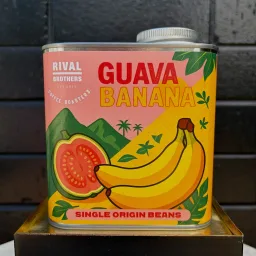 Banana GuavaRival Brothers$13.20 /100gColombiaChocolateCitrus
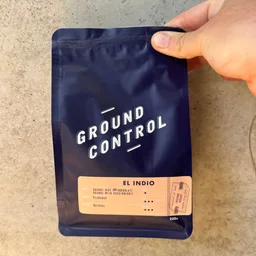 El IndioGround Control Coffee$9.00 /100gColombiaChocolateCitrus
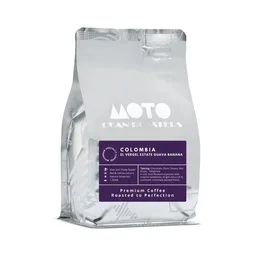 Guava Banana El Vergel EstateMotobean Roasters$8.80 /100gColombiaChocolateCitrus
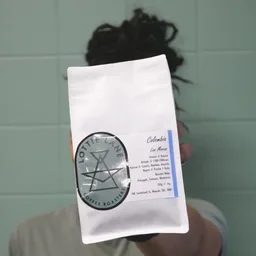 Las MorasLottie Lane Coffee Roasters$13.20 /100gColombiaChocolateCitrus
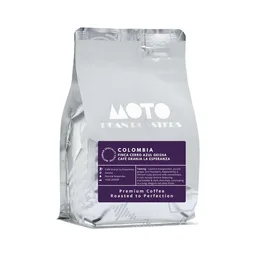 Cerro Azul GeishaMotobean Roasters$32.00 /100gColombiaChocolateCitrus
Find Central Coast Coffee beans near me
Central Coast Coffee
Beans sold here by the roaster
Central Coast
Beans sold here by the roaster