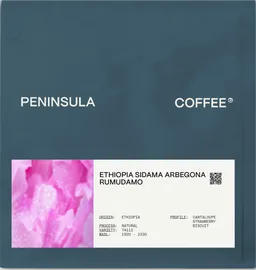
Buku Abel G1
From Peninsula Coffee in Woodforde, SA
Sold out at the roaster. Last checked 5 Oct 2026.
This page stays up, and the coffee comes back when the roaster has it again.
The closest in-stock matches
 LimuAgro Beans$10.00 /100gEthiopiaChocolateCaramel & sweet
 Kuro KishiCavalier Coffee Roasters$9.60 /100gEthiopiaChocolateCaramel & sweet
 Seasonal BlendLegend Coffee and Culture$9.40 /100gEthiopiaChocolateCaramel & sweet
 Spring Filter BlendEveryday Coffee$10.91 /100gEthiopiaChocolateCaramel & sweet
 Shifting LightParallel Roasters$10.00 /100gEthiopiaChocolateCaramel & sweet
Tasting notes
plum, brown sugar, cacao, gentle fruit, and deep sweetness
- Origin
- Ethiopia · Buku Abel, Hambela, Guji
- Roast
- LightEstimated. The roaster does not state a roast level.
- Process
- Washed
- Caffeine
- Regular
- Varietals
- heirloom
- Altitude
- 1950-2150 masl
What Peninsula Coffee say
Quick Guide
Best for: filter, black coffee, and light espresso.
Taste: plum, brown sugar, cacao, gentle fruit, and deep sweetness.
Choose this if: you like Ethiopian coffee with fruit, depth, and a soft cacao finish rather than sharp acidity.
BUKU ABEL
MASL : 1,950 ~ 2,150
PROCESS : WASHED
VARIETY : HEIRLOOM
ZONE : GUJI
DISTRICT : HAMBELA
CUP PROFILE : PLUM, BROWN SUGAR, CACAO
Keeping a bright overall tone with a 211 degree drop temperature, while controlling heat very precisely to preserve a lasting brown sugar sweetness.
The dry aroma of Buku Abel opens with a Deep and Sweetness character.In the cup, the flavour carries gentle fruit, a strong sweetness, and a soft cacao nuance that makes it a reliable and enjoyable coffee for everyday drinking.
Our journey has just begun.
Thank you for joining us.
Recipe Guide
ABOUT BUKU ABEL ZONE
Buku Abel is a small village located in the southern part of Ethiopia, within the Hambela area of Guji. The coffee grown in Buku Abel thrives at an exceptionally high altitude of around 2,300 meters above sea level. These coffees are heirloom varieties, passed down through generations of local farmers who have discovered and cultivated them over centuries.
The coffee trees of Buku Abel are often intercropped with banana plants, benefiting from the shade they provide. Thanks to the cool climate and high elevation, the cherries mature slowly and naturally, resulting in smaller beans with remarkable density and exceptional quality.
Find Peninsula Coffee beans near me
Peninsula Coffee
Roastery, visiting not stated