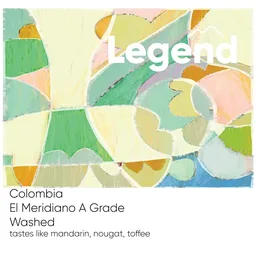
Ayla Bombe
From Legend Coffee and Culture in West Gosford, NSW
Tasting notes
tropical juice, mango & rose
- Origin
- Ethiopia · Bensa, SidamaProducer: Ayla Washing Station
- Roast
- Light
- Process
- Natural
- Caffeine
- Regular
- Varietals
- JARC 74112, JARC 74158, landrace varieties
- Altitude
- 1950 masl
What Legend Coffee and Culture say
Tastes like tropical juice, mango & rose
COUNTRY: Ethiopia
TRADITIONAL COFFEE REGION: Sidama
POLITICAL REGION: Sidama
POLITICAL ZONE: Sidama
WOREDA: Bensa
KEBELE: Bombe
WASHING STATION: Ayla
ELEVATION: 1,950m above sea level
VARIETY: Primarily JARC 74112 and 74158 along with other landrace varieties
PROCESSING: Natural
FARMERS: 900 independent outgrowers
WASHING STATION OWNER: Testi Specialty Coffee
IMPORTER: Melbourne Coffee Merchants
IMPORTER RELATIONSHIP LENGTH: Since 2019
Located in the Bensa woreda (administrative district) of Ethiopia’s Sidama Zone, Ayla is one of Testi Specialty Coffee‘s best-known washing stations, as it produces some of the most floral coffees we source from Ethiopia. A family-oriented man, founder Faysel Abdosh named the site after his niece, whose name translates to ‘grace,’ or ‘moonlight’ in Turkish. Since opening the doors to Testi in 2009, Faysel has ensured his passion for Ethiopian coffee is woven into his commitment to his family’s heritage. As Testi’s operations have grown, he has taken his sons and nephew under his wing, and they now play key roles in supporting the company’s commercial operations.
Sitting at 1,950m above sea level, Ayla produces exceptional washed and natural processed lots using the nearby Bonera river as its main source of fresh water. The site receives coffee cherry from two villages (or kebeles), Shanta Wene and Bombe. These are processed separately as distinct lots, providing extra traceability. This particular coffee lot comes from the kebele of Bombe, which shares its name with the mountains that surround Ayla.
During harvest, freshly picked coffee cherry is delivered daily by some 900 independent outgrowers who grow coffee under prime conditions. Their farms typically sit at elevations between 1,950–2,150m above sea level, which combined with the region’s cool temperatures, is ideal for the slow ripening of coffee cherries, leading to denser beans and a sweeter, more complex cup profile.
The majority of the families who contributed to this lot farm organically on tiny plots of land, which average under two hectares in size. Coffee is their main cash crop and grows alongside food crops like fake banana, corn and grain, under the shade of native Birbira, Wanza, and Acacia trees. Each outgrower that delivers to Ayla receives payment on delivery of their cherry, including a premium above the annual market rate set by the Ethiopian government. Farmers who are registered with the washing station also receive a second premium payment three months later or after the lot has been sold, based on what they have delivered. This usually happens around June or July (coinciding with the Ethiopian winter), which is when they would be preparing for the next harvest.
Similar beans
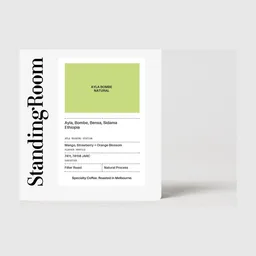 Ayla Bombe · NaturalStanding Room Coffee$11.60 /100gEthiopiaTropicalFloral
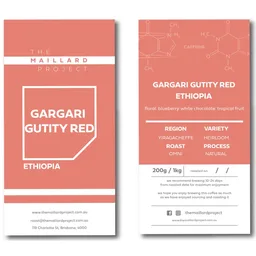 Gargari Gutity RedThe Maillard Project$12.50 /100gEthiopiaTropicalFloral
 Yirgacheffe KokeFirst Harvest Coffee$9.60 /100gEthiopiaTropicalFloral
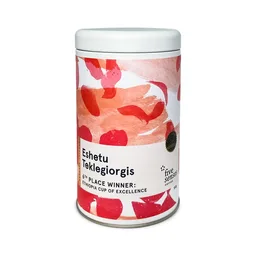 COE #6 Eshetu TeklegiorgisFive Senses Coffee$32.33 /100gEthiopiaTropicalFloral
 Oromia GujiAlfresco Coffee Roasters$8.80 /100gEthiopiaTropicalFloral
Find Legend Coffee and Culture beans near me
Legend Coffee And Culture
Beans roasted and sold here