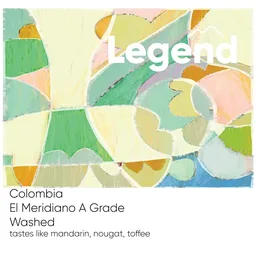
Rurima Estate AB
From Legend Coffee and Culture in West Gosford, NSW
Tasting notes
Dried Apricot, Peaches & Cream, Marmalade
- Origin
- Kenya · Embu, Central KenyaProducer: Rurima Family Cooperative
- Roast
- Light · For filter
- Process
- Washed
- Caffeine
- Regular
- Varietals
- SL28, SL34, Ruiru 11, Batian
- Altitude
- 1800 masl
What Legend Coffee and Culture say
Tastes Like: Dried Apricot, Peaches & Cream, Marmalade
Rurima is an fifteen-hectare estate and family-operated cooperative located in Embu County, managed by Lucy Wanja Ndogo (pictured above). The property sits at 1,800 meters above sea level in the foothills of the extinct volcano, Mt Kenya, close to the town of Manyatta and the Kapingazi river. The area is defined by its bright red, nutrient-rich, volcanic soil and cool climate, both of which contribute to the outstanding quality of the coffees produced on this farm.
The estate was initially purchased by Lucy’s grandfather, Rurima, in the 1960s. Over time, the land has been parcelled and passed on to various extended family member, including Lucy herself, Jim Muturi, Pamela Muthoni, Morton Ndwiga and Patrick Njue. The siblings each own individual parcels (or shambas), which are located up to three kilometres from the property’s homestead. The estate runs like a cooperative, with family members delivering their cherry to the wet mill during the harvest, and close record keeping to ensure earnings from the sale of the processed coffee are distributed fairly.
In the 1980s, the family built a wet mill – or factory, as they are called in Kenya – on their land, enabling them to process and dry their crop onsite, rather than selling fresh, whole cherry to the local Farmers’ Society Cooperative. The factory is carefully overseen by Lucy, who manages day-to-day operations during the busy harvest season. By processing the coffee independently, the family are able to control every step of their production directly – from farming, to harvesting, processing, drying and sale – ensuring the full potential of the crop is achieved in terms of quality and sale price. The resulting coffee lot reflects the incredible amount of hard work and attention to managing every single variable that influences quality.
Choosing to process their coffee independently is not easy — or cheap. Managing processing on such a small scale has required significant investment in infrastructure, equipment and staff. It is also far costlier to mill and market small volume lots than large day lots. This investment has paid off, however, as Rurima is now produces some exceptionally high-quality lots which can fetch higher prices at the point of sale.
Similar beans
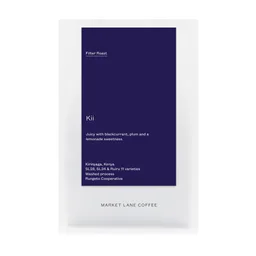 KiiMarket Lane Coffee$10.20 /100gKenyaStone fruitCitrus
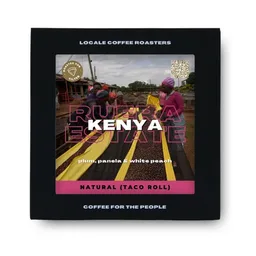 Ruera EstateLocale Coffee Roasters$10.80 /100gKenyaStone fruitCitrus
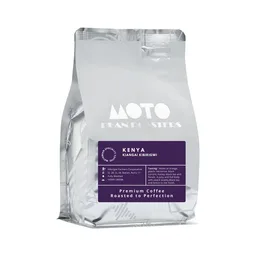 Kiangai KibirigwiMotobean Roasters$9.60 /100gKenyaStone fruitCitrus
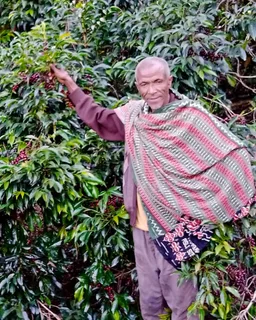 Ocholo Bedecho · FilterPassport Specialty Coffee Roaster$11.60 /100gStone fruitCitrusLight roast
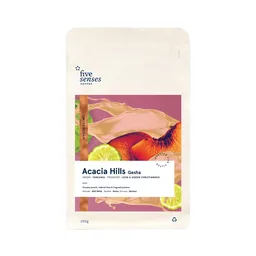 Acacia Hills, GeshaFive Senses Coffee$12.00 /100gStone fruitCitrusLight roast
Find Legend Coffee and Culture beans near me
Legend Coffee And Culture
Beans roasted and sold here